




In pharmaceutical and medical device manufacturing, an inspection system must do more than reliably classify products as acceptable or defective. Depending on its intended use, the system may also need to support requirements for documentation, data integrity, traceability, access control and validation.
Machine vision inspection systems used in regulated production typically combine hardware, software, inspection programs, user management, data storage and interfaces. These elements must be considered together when defining the system architecture and the manufacturer’s qualification and validation strategy.
With pharma.regulations, OCTUM supports the implementation of automated inspection systems for regulated manufacturing processes. Each solution is engineered around the inspection task, production environment, applicable regulatory requirements and the customer’s quality and validation processes.
For US pharmaceutical manufacturers, relevant requirements may include FDA current good manufacturing practice requirements under 21 CFR Parts 210 and 211 and, when applicable, 21 CFR Part 11 for electronic records and electronic signatures. For medical device manufacturers, the FDA Quality Management System Regulation under 21 CFR Part 820 may also be relevant. GAMP 5 and international requirements such as EU GMP Annex 11 and Annex 15 can additionally inform projects for global operations.
An inspection system alone does not establish FDA or regulatory compliance. OCTUM provides technical functions, system integration and project-specific documentation that can support the manufacturer’s quality, qualification and validation activities.

Do you have any questions?
Then please contact our experts
at +1 (980) 431-9540 or
via our contact form
What Do Regulatory Requirements Mean for Automated Machine Vision?
In regulated manufacturing, a pass/fail decision may become part of a broader quality process. Depending on the application, the inspection result, product configuration, user actions, program changes and relevant process data may need to be recorded and retained in a controlled and traceable manner.
The inspection system must therefore be designed not only around image quality and defect detection, but also around system access, change control, recipe management, data handling, interfaces, record retention and documentation.
OCTUM considers these requirements from the beginning of the project. The applicable functions and documentation are defined in relation to the intended use of the system, product risk, applicable predicate rules, production environment and the manufacturer’s validation concept.
FDA Requirements, GAMP 5 and International Guidelines
The regulatory framework for an automated inspection system depends on the manufactured product, the intended use of the system, the records it creates or manages and the markets in which the product is distributed.
For drug manufacturing in the United States, current good manufacturing practice requirements under 21 CFR Parts 210 and 211 are particularly relevant. For finished medical device manufacturers, the FDA Quality Management System Regulation under 21 CFR Part 820 applies. The QMSR incorporates ISO 13485:2016 by reference as the foundational quality management system standard for medical devices.
When a machine vision system performs or documents a quality-relevant inspection, its intended use, controls, records, risks and validation requirements must be evaluated within the manufacturer’s quality system.
OCTUM develops inspection solutions around the defined inspection task and production process. Depending on the project, this can include controlled user access, inspection program management, documented results, interfaces to higher-level systems and qualification-relevant documentation.
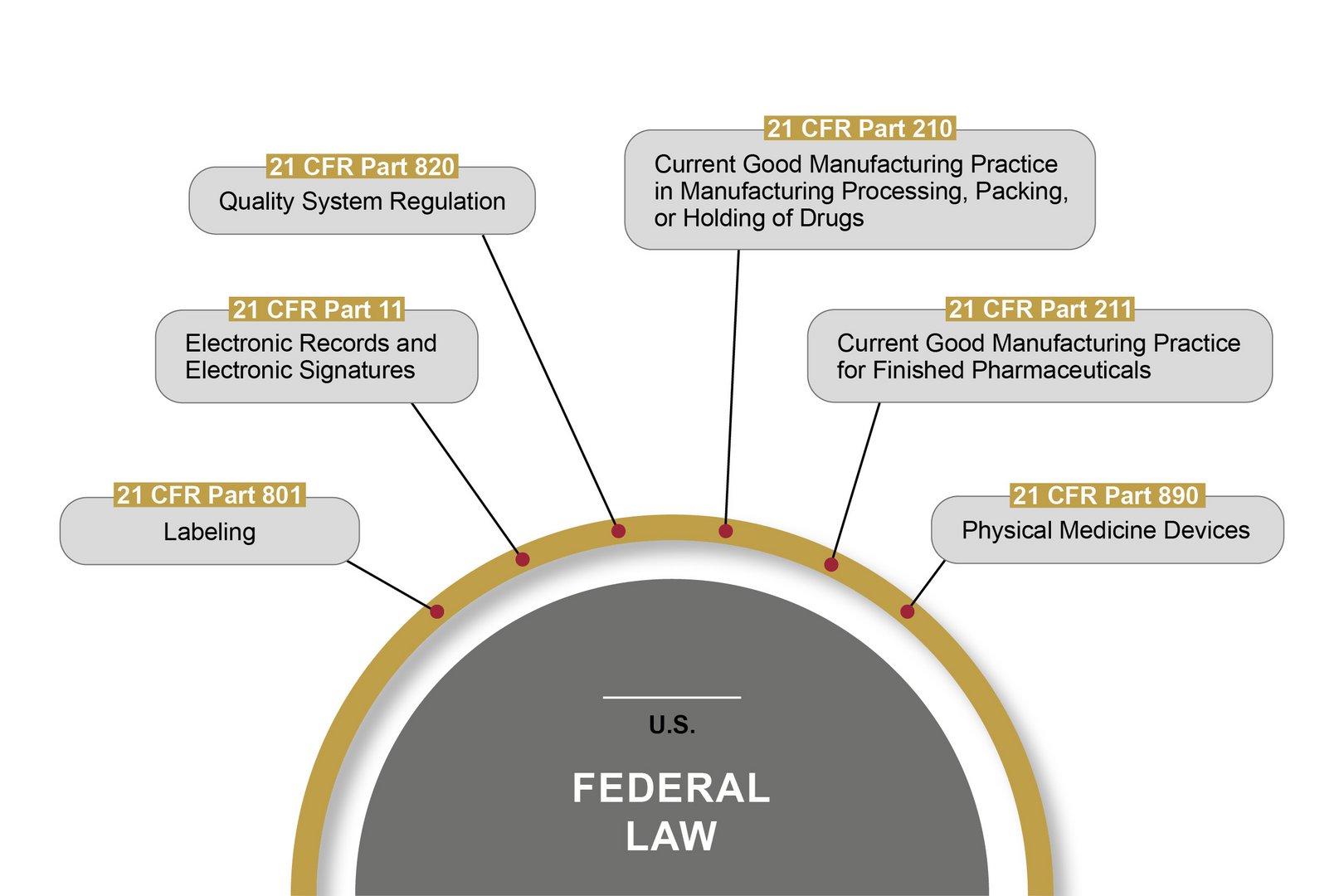
21 CFR Part 11 establishes criteria for certain electronic records and electronic signatures used under FDA requirements. Whether Part 11 applies to specific inspection records depends on the applicable predicate rules, the intended use of the records and the manufacturer’s actual business practices.
When inspection data are maintained or relied upon as regulated electronic records, functions such as authorized system access, record protection, audit trails, operational checks, authority checks and electronic signature controls may become relevant.
The required system functions must be defined on a project-specific basis. OCTUM can configure technical controls and data functions that support the customer’s documented Part 11 assessment and implementation strategy.
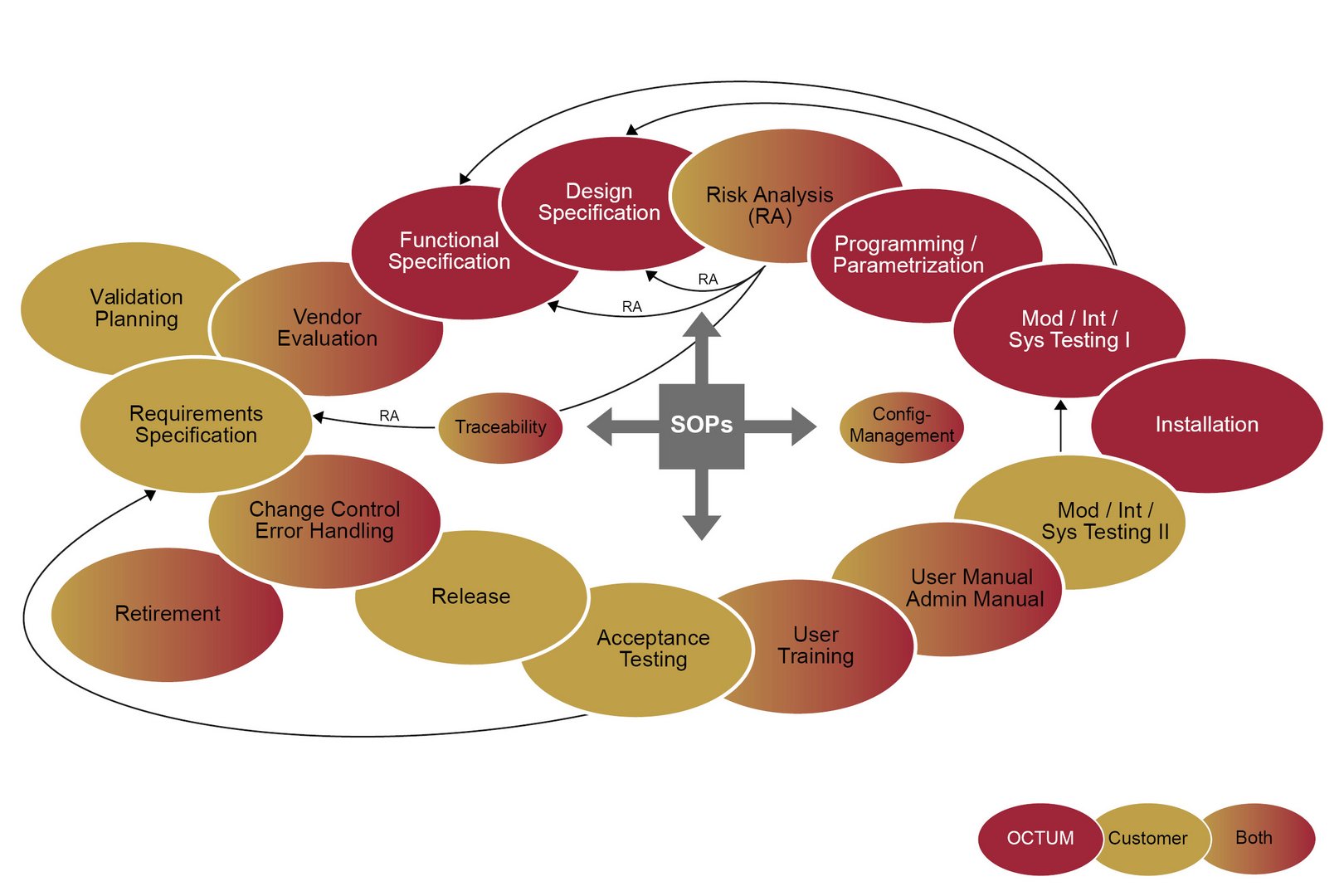
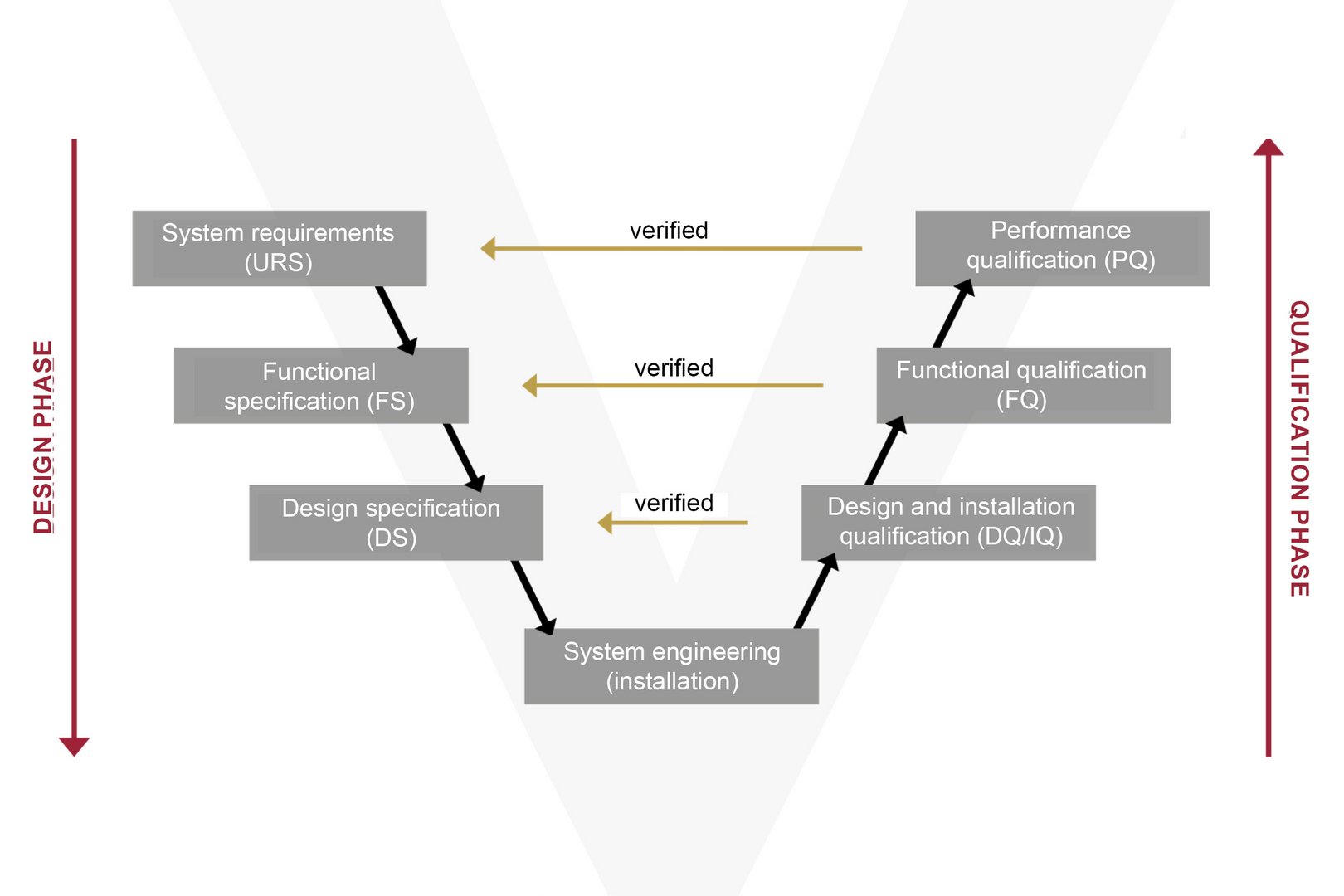
GAMP 5 is an industry guide rather than a law or regulation. It provides a risk-based lifecycle approach for GxP computerized systems and is widely used to structure requirements, specifications, risk assessments, verification and controlled operation.
For an automated inspection system, this approach may include the User Requirements Specification, functional and design specifications, risk-based testing, supplier documentation, change control and lifecycle management.
The extent of specification and verification should be proportionate to the system’s intended use, complexity and potential impact on product quality, patient safety and data integrity.
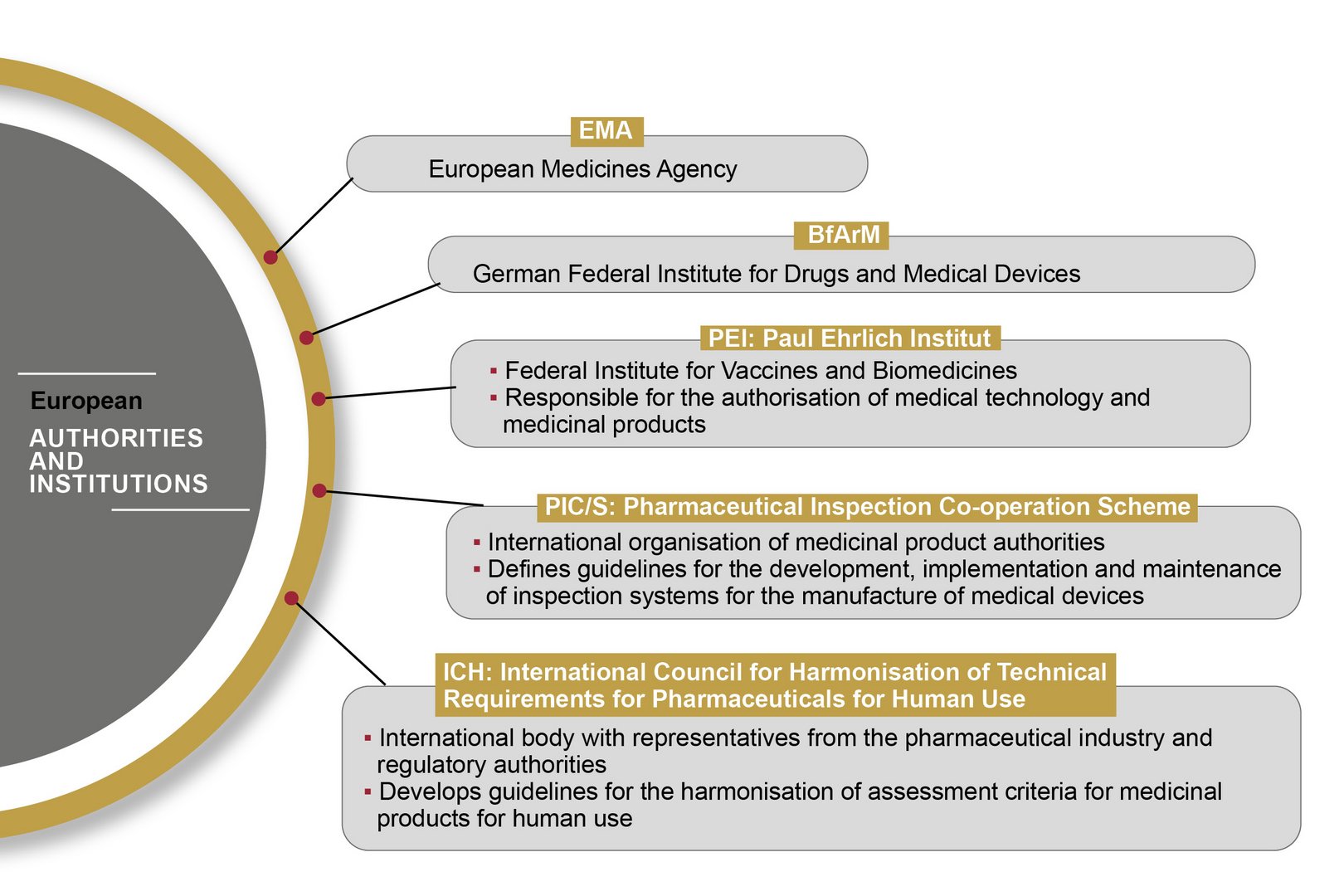
Manufacturers operating in or supplying international markets may also need to consider EU GMP requirements. Annex 11 addresses computerized systems used in GMP-regulated activities, while Annex 15 addresses qualification and validation.
These requirements are not interchangeable with FDA requirements. The applicable regulatory framework and documentation strategy must be determined for the specific manufacturing site, product and target markets.
OCTUM can consider US and international requirements together when designing inspection systems for globally operating manufacturers.
Regulatory Readiness Begins with the System Concept
Regulatory and validation requirements should be addressed before the inspection system is implemented. They influence the system architecture, software configuration, data flows, user concept, interfaces and documentation structure.
OCTUM therefore begins by defining the product, inspection characteristics, known defect types, production conditions, user roles, data requirements and intended use of the inspection results.
This provides the basis for a coordinated solution that combines image acquisition, inspection software, machine integration, reject handling, operator interaction and data management.
The resulting system can be incorporated into the manufacturer’s quality, qualification and validation processes with clearly defined responsibilities and documented system boundaries.
Key Functions for Regulated Environments
The required functions depend on the intended use and the customer’s quality and validation strategy. Depending on the project, OCTUM inspection systems can incorporate the following capabilities.

Audit Trail and Change History
An audit trail can record relevant system events and changes, including modifications to inspection programs, parameters, product configurations and user settings.
Depending on the system design, the record can identify the event, date and time, affected configuration and responsible user. The scope, review process and retention requirements are defined in relation to the intended use and applicable requirements.

Role-Based User and Access Management
Individual user accounts and role-based permissions help control who may operate the system, change inspection programs, modify settings or perform administrative functions.
User roles can be aligned with the manufacturer’s responsibilities and operating procedures. This helps reduce unauthorized or unintended changes and supports clear accountability.

Data Integrity and Traceability
Inspection results, system events and associated production information must remain accurate, complete and traceable throughout the required retention period.
Depending on the application, OCTUM systems can link inspection data to a product, format, lot, work order or process data set. The required data, storage concept, interfaces and retention strategy are defined with the customer.

Electronic Records and Electronic Signatures
Inspection data, lot information, decisions, system events and other quality-relevant information can be stored as electronic records and made available for review, analysis or audit purposes.
If electronic signatures are required, their intended use and the applicable controls must be defined explicitly. The system configuration must be aligned with the customer’s procedures, predicate-rule assessment and overall Part 11 strategy.
Controlled Inspection Programs and Product Configurations
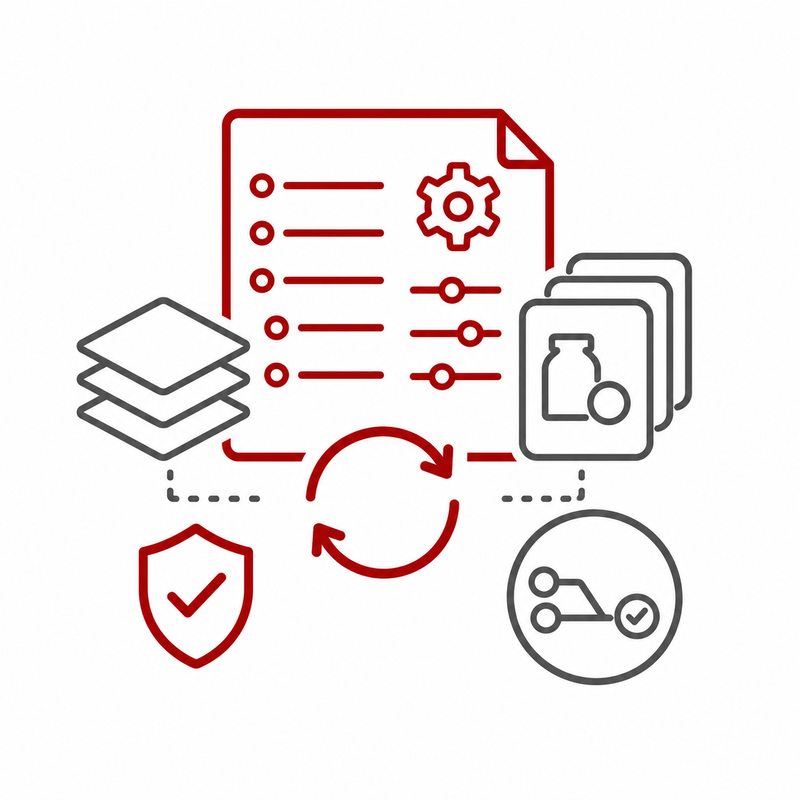
Inspection programs, product configurations, tolerances and system parameters must be managed in a controlled manner. Depending on the project, changes can be restricted by user role, documented and linked to a defined product or production order.
This supports reproducible inspection when products, formats, lots or quality requirements change.

Interfaces and Data Connectivity
Inspection systems often communicate with machine controls, production lines, manufacturing execution systems, supervisory control systems, enterprise systems or customer-specific databases.
OCTUM defines the required interfaces, data direction, triggers, identifiers, error handling and system boundaries during project planning. This helps ensure that inspection data can be transferred and associated with the correct product and process context.
Support for Qualification- and Validation-Ready Implementation
Support for Qualification-Ready Implementation
The manufacturer remains responsible for determining the applicable regulatory requirements and validating the system for its intended use. OCTUM supports this process by providing project-specific technical documentation, test evidence and system functions.
Depending on the agreed project scope, documentation and support may include:
- Support in defining the User Requirements Specification
- Functional Specification
- Design Specification
- System and software descriptions
- Risk analysis and risk-based verification planning
- Factory acceptance and site acceptance documentation
- Support for installation and operational qualification activities
- Description of interfaces and data flows
- Documentation of user roles and permissions
- Audit-trail and configuration-management descriptions
- Test records and traceable acceptance criteria
- Training and system operating documentation
- Change and version documentation
The required documents, responsibilities, acceptance criteria and review procedures are agreed with the customer at the beginning of the project.
Why Choose OCTUM for Regulated Machine Vision Systems?
From the Inspection Task to Regulated System Integration
OCTUM has been developing and integrating machine vision and automated optical inspection systems for demanding production environments since 1996.
- Experience in industrial machine vision since 1996
- More than 6,000 systems installed worldwide
- OCTUM USA location in Charlotte, North Carolina
- Regional coordination for the United States, Central America and South America
- Service technicians based in the United States
- Direct access to OCTUM’s application, software and engineering expertise in Germany
- Modular inspection solutions for pharmaceutical and medical products
- Custom machine vision systems for application-specific processes
- Proprietary software solutions such as OCVis, OCTUMISEr and CV-Inspect
- Experience with user management, audit trails, traceability and regulated data requirements
- Integration into new machines and existing production lines
- Support from feasibility studies through commissioning, documentation, service and training
OCTUM USA coordinates the project and regional support for customers across the Americas. Additional application, software and engineering resources are available through OCTUM Germany when required.
Applications
Regulatory Requirements in Specific Inspection Applications
pharma.regulations is particularly relevant for inspection systems in regulated industries and demanding production environments.
Typical applications include:

vial.inspect – Inspection Systems for Vials
Automated inspection of vials before and after filling, including vial geometry, mouth and sealing surfaces, stopper position, crimp caps, labels, human-readable text and codes.

ampoule.inspect – Inspection Systems for Ampoules
Automated inline inspection of ISO ampoules after sealing and cooling, including breakage, deformation, open ampoules and visible sealing defects.

syringe.inspect – Inspection Systems for Syringes
Inline inspection of glass and plastic syringes, prefilled syringes and syringe components for presence, assembly, position, geometry, labels, print and codes.

pipette.inspect – Inspection Systems for Pipette Tips
Automated inspection of pipette tips, racks and trays for geometry, flash, filters, completeness, contamination and correct arrangement.

well.inspect – Inspection Systems for Wells and Trays
Automated inspection of wells, cups, microplates and trays for geometry, surface quality, visible contamination, completeness and product-specific defects.

patch.inspect – Inspection Systems for Wound Care Products
Inline inspection of wound dressings, adhesive bandages and transdermal systems for contour, material layers, visible contamination, surface quality, active ingredient application, print and codes.
Which US regulations may be relevant to pharmaceutical inspection systems?
For pharmaceutical manufacturing, relevant requirements may include FDA current good manufacturing practice requirements under 21 CFR Parts 210 and 211. If the system creates, modifies, maintains, archives, retrieves or transmits regulated electronic records, 21 CFR Part 11 may also apply.
The specific requirements depend on the product, intended use of the system, applicable predicate rules, use of inspection records and the manufacturer’s quality and validation processes.
Is a machine vision inspection system a computerized system?
A machine vision inspection system typically combines hardware, software, inspection programs, user management, data storage and interfaces. In a regulated environment, these elements should be assessed as part of the computerized system and its intended use.
The manufacturer determines the system boundary, risk, applicable requirements and validation scope.
What does 21 CFR Part 11 mean for an inspection system?
21 CFR Part 11 establishes criteria for certain electronic records and electronic signatures used under FDA requirements. For an inspection system, relevant controls may include authorized access, audit trails, record protection, operational checks, authority checks, electronic signature controls and traceability.
Part 11 does not automatically apply to every electronic data point. Applicability must be assessed in relation to the predicate rules and the way the records are used.
What are predicate rules?
Predicate rules are the underlying FDA requirements that require particular records to be created, maintained or submitted. They determine which records are regulated and provide the basis for assessing whether Part 11 applies when those records are managed electronically.
The manufacturer should document which inspection records are relied upon for regulated activities and how they are controlled.
What role does GAMP 5 play for inspection systems?
GAMP 5 provides an industry framework for a risk-based lifecycle approach to GxP computerized systems. It can help structure user requirements, specifications, risk assessments, supplier involvement, verification, change control and ongoing operation.
GAMP 5 is guidance rather than a law. The project approach must be adapted to the system’s intended use, complexity and risk.
Does OCTUM validate the inspection system?
The manufacturer is responsible for validating the system for its intended use within its regulated process. OCTUM supports qualification- and validation-ready implementation with agreed specifications, technical documentation, test evidence and project-specific support.
The exact division of responsibilities and documentation scope is defined with the customer.
Can OCTUM systems include an audit trail and role-based user management?
Yes. Depending on the project, OCTUM systems can incorporate individual user accounts, role-based permissions, audit-trail functions, controlled inspection programs and documented configuration changes.
The required scope, record content, review procedures and retention strategy must be defined for the specific intended use.
Can inspection results be linked to lot or process data?
Yes. Depending on the system configuration and available interfaces, inspection results can be linked to a product, configuration, lot, work order or process data set and made available for documentation, traceability or analysis.
The data model, identifiers, interfaces, storage location and retention requirements are defined with the customer.
Clarify Regulatory Requirements for Your Inspection System
Are you planning a machine vision inspection system for a regulated pharmaceutical or medical device manufacturing process?
Tell us about your product, inspection task, quality characteristics, known defect types, target throughput and planned installation conditions. Please also describe how inspection results will be used and whether you require audit trails, role-based access, electronic records, data connectivity or qualification-relevant documentation.
Together, we will define a technically suitable system concept and determine which functions, interfaces and documents can support your quality and validation processes.
OCTUM USA coordinates the next steps for customers in the United States, Central America and South America, with additional application, software and engineering support available from OCTUM Germany.